Medical lab in El Shorouk
Introduction
Healthcare Infrastructure in El Shorouk City
El Araby for Real Estate Development — Company Overview
Medical Projects by El Araby in El Shorouk City
Role of Medical Labs in Urban Health Systems
Urban Impact of Real‑Estate‑Led Medical Labs
Hypothetical Implementation of a Medical Lab in One Mall
Challenges and Considerations
Future Opportunities in El Shorouk’s Healthcare Landscape
Conclusion
Resources
Introduction
El Shorouk City, a rapidly expanding urban satellite on the eastern periphery of Cairo, has emerged as a nexus of residential, commercial, and increasingly sophisticated healthcare infrastructure. As Egypt continues its broader national efforts to improve access to health services and integrate private sector participation in healthcare delivery, real estate developers have begun to embed medical facilities into mixed‑use projects. Among these developers, El Araby for Real Estate Development has distinguished itself by integrating dedicated medical projects, including spaces suitable for medical laboratories, into its larger urban developments. These facilities are positioned not merely as commercial assets, but as contributors to the city’s healthcare capacity, patient accessibility, and diversification of service offerings.
On its official platform, El Araby for Real Estate Development articulates a vision that encompasses residential, commercial, administrative, and medical projects, with a commitment to excellence and modern design that reflects its market positioning. Within El Shorouk City, El Araby’s initiatives include integrated projects that host medical units — including facilities that are suitable for deployment as medical laboratories and diagnostic centers. This article examines the company’s approach to medical projects, the context of healthcare needs in El Shorouk, and the potential impact of real‑estate‑integrated medical labs in the city, grounded in El Araby’s own public presentation. El Araby Development
Context: Healthcare Infrastructure in El Shorouk City
Before analyzing the specifics of El Araby’s medical projects, it is essential to understand the urban and healthcare context of El Shorouk City.
El Shorouk City has witnessed sustained urban growth over the past decade, driven by housing demand in the Greater Cairo area and government‑led new city expansion policies. This urbanization has been accompanied by increased demand for comprehensive healthcare services, ranging from primary care to advanced diagnostic and laboratory services.
Beyond private developer contributions, major healthcare facilities — such as the International Medical Center — illustrate the broader expansion of medical capacity in El Shorouk City. The International Medical Center is a large tertiary care facility with extensive clinical services, and although not directly associated with El Araby for Real Estate Development, its presence highlights the increasing medical service footprint in the area. Wikipedia
The evolving healthcare ecosystem places value on diagnostic services, including medical laboratories, which form the backbone of preventive medicine, disease surveillance, and clinical decision‑making. In this environment, developers that embed medical labs or diagnostic units into their projects contribute to both local health utility and investment appeal.
El Araby for Real Estate Development — Company Overview
El Araby for Real Estate Development, established in 2010, positions itself as a leading integrated developer in Egypt’s competitive real estate market. According to its official website, the company’s mission combines “luxury and modern design for a complete living experience,” with projects spanning residential, commercial, medical, and administrative sectors. El Araby Development
The company emphasizes a holistic execution model that manages all phases of project delivery — from planning and design to construction and operations — ensuring alignment with modern urban standards and investment value. The medical category of projects underscores El Araby’s recognition of healthcare infrastructure as a key component of thriving urban communities.
Medical Projects by El Araby in El Shorouk City
One Mall — Mixed‑Use with Medical Units
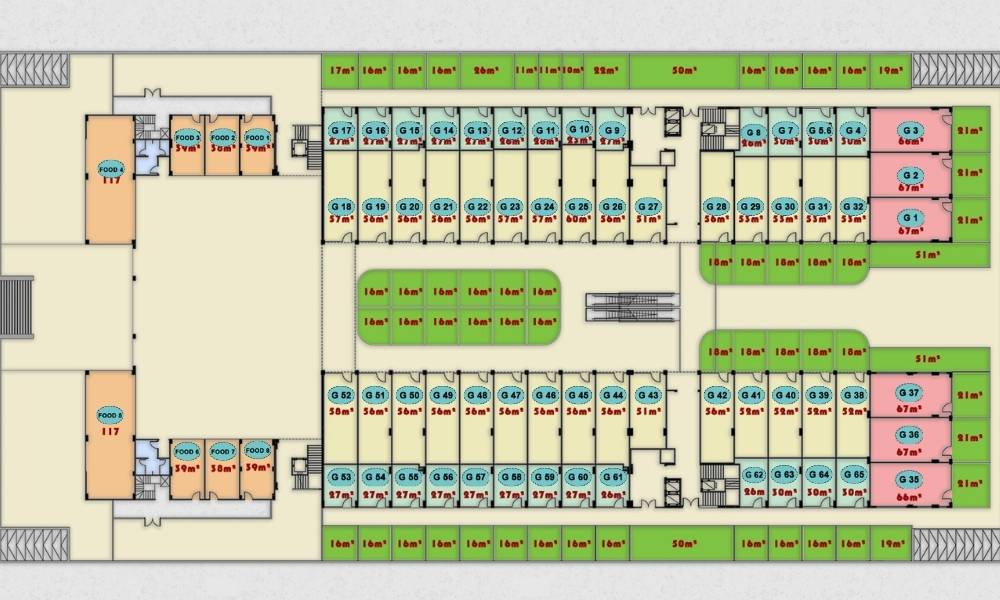
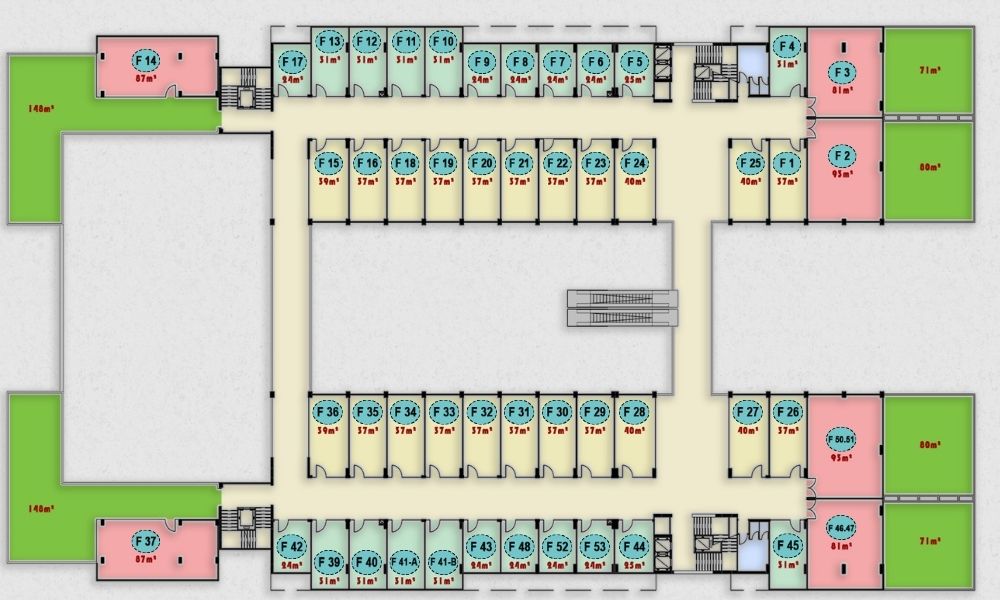
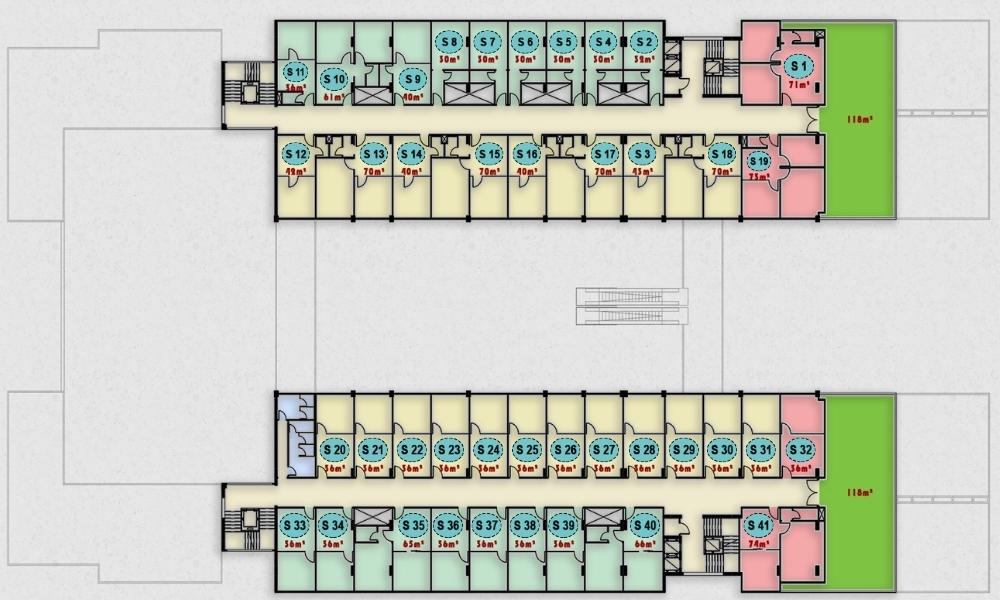
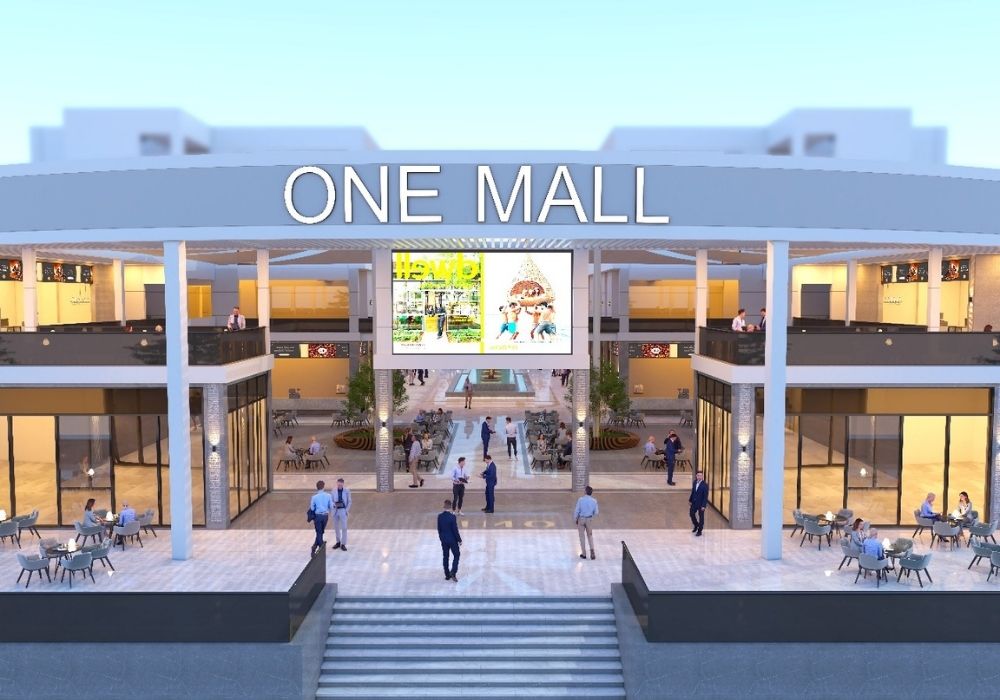
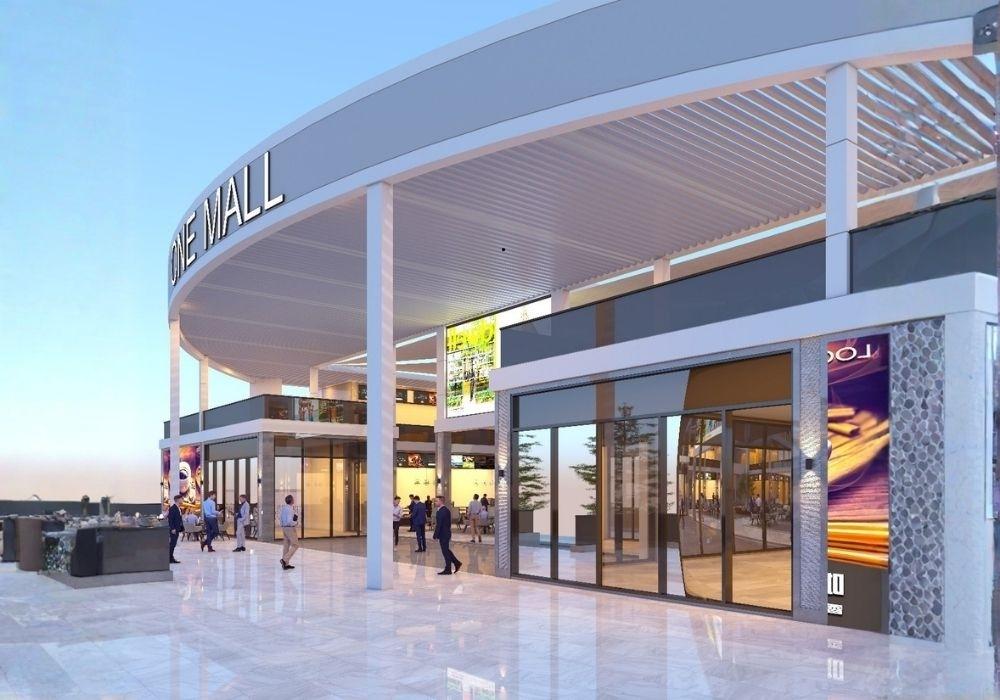
Among the flagship offerings in El Araby’s portfolio for El Shorouk City is One Mall, described on the company website as one of the “latest and most prominent projects.” The development is located on El Horreya Road, in the heart of El Shorouk City’s urban framework, and it integrates retail, administrative, and medical components within a single destination. El Araby Development
Medical Component Design and Intent
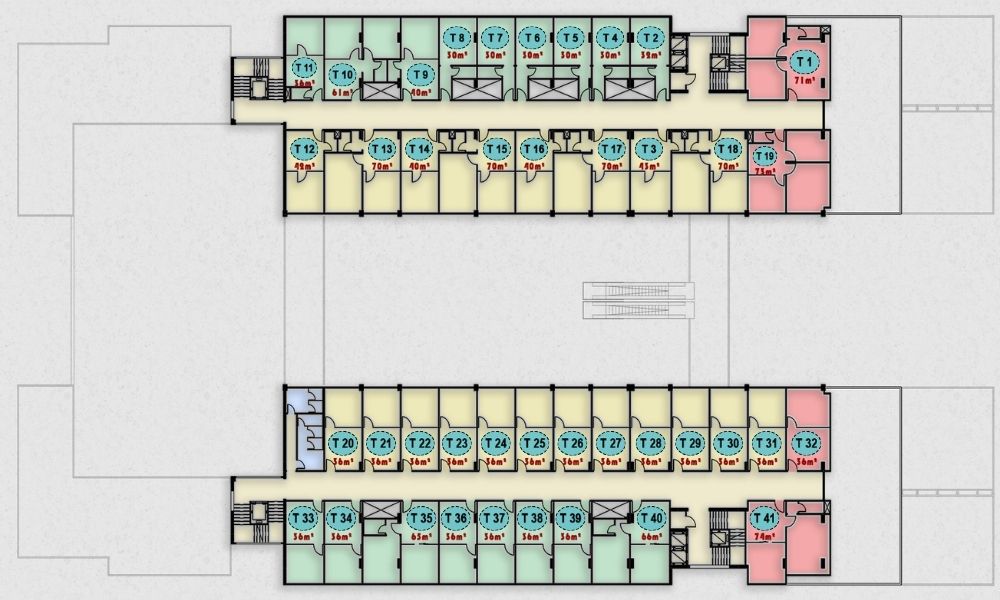
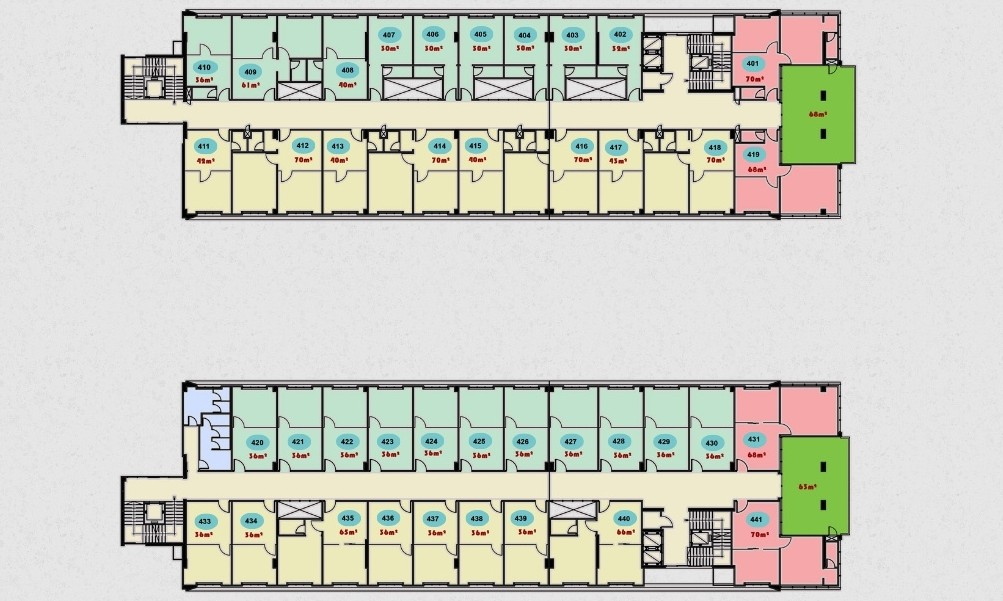
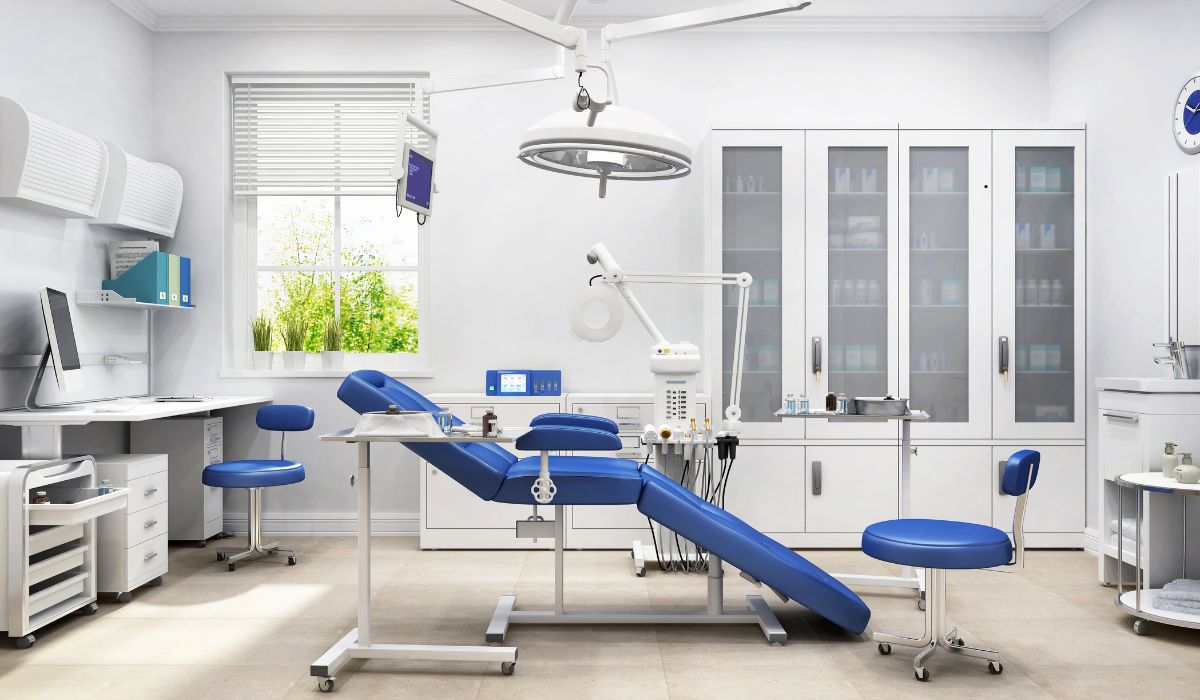
The medical component of One Mall is designed to host modern medical units, including spaces that can be configured as medical laboratories and diagnostic centers. The project’s layout allows for:
-
Dedicated spaces that can be equipped with medical equipment and diagnostic instruments.
-
Waiting areas and circulation spaces designed to accommodate patients, clinicians, and laboratory visitors.
-
Integration with other services (retail and administrative), which enhances convenience for patients and staff.
While the company’s public materials do not list precise specifications for individual medical labs, the inclusion of medical units within an integrated development positions One Mall as a potential hub for medical diagnostic services, including laboratory operations.
Strategic Importance of Mixed‑Use Medical Labs
Embedding a medical lab within a mixed‑use development provides several advantages:
-
Accessibility: Locating lab facilities in a high‑footfall commercial destination enhances accessibility for residents and patients.
-
Synergy with Healthcare Providers: Medical labs can function as referral points for surrounding clinics and diagnostic services, fostering integrated care pathways.
-
Economic Sustainability: From an investment perspective, medical units add diversified revenue streams to the property’s commercial profile.
The design of One Mall follows a global trend wherein real estate developers integrate healthcare provision into urban developments, recognizing the dual value of medical accessibility and enhanced property utilization. El Araby Development
Role of Medical Labs in Urban Health Systems
Clinical and Public Health Value
Medical laboratories play a crucial role in diagnosing diseases, monitoring public health trends, and supporting clinical decision‑making. In a city like El Shorouk — where population growth and residential expansion are ongoing — having proximate and modern lab facilities reduces the time between clinical consultation and diagnosis, increases patient compliance with recommended testing, and supports health monitoring at the community level.
Diagnostics are central to managing both acute and chronic conditions, enabling timely detection and appropriate therapeutic interventions. In addition to routine blood work and microbiological testing, labs may offer advanced diagnostics including molecular assays, biochemical panels, and pathology services — all of which are foundational for preventative health strategies.
Integration with Primary and Specialist Care
When medical labs are situated strategically within mixed‑use projects like One Mall, they serve as connection points between different layers of the health system:
-
Primary care providers referring patients for testing.
-
Specialist providers accessing shared diagnostic infrastructure.
-
Health insurance and payment platforms integrating lab billing with other services.
This integration aligns with broader trends in healthcare delivery where diagnostics are considered an essential component of a patient‑centered system.
Urban Impact of Real‑Estate‑Led Medical Labs
Enhancing Local Service Networks
The presence of medical labs within El Araby’s developments strengthens local healthcare networks by:
-
Offering on‑site diagnostic services to residents and visitors.
-
Reducing the need for long travel to centralized hospitals for basic and advanced lab tests.
-
Supporting other medical providers in the area with reliable laboratory infrastructure.
Economic and Investment Considerations
From an economic viewpoint, medical labs within mixed‑use buildings can enhance property value and investor appeal. Medical units attract tenants that are typically stable, long‑term lessees — such as diagnostic companies, specialized testing providers, and healthcare startups — which in turn drives consistent foot traffic and tenancy diversity.
In the market context of El Shorouk, developers that integrate healthcare components into their projects differentiate their offerings from purely residential or commercial properties, appealing to investors who recognize the growth potential of healthcare services in urban environments.
Case Study: Hypothetical Implementation of a Medical Lab in One Mall
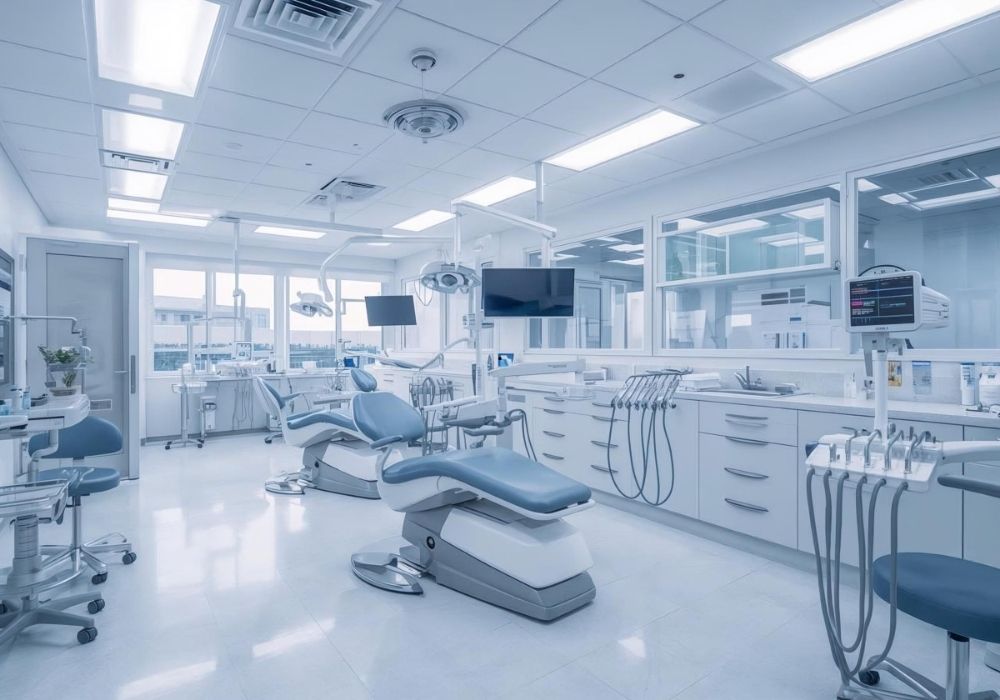
Although One Mall’s public project description does not detail specific lab installations, a hypothetical model based on best practices might include:
-
Dedicated Laboratory Floors or Zones:
-
Spatial allocation for separate lab units with controlled access.
-
Infrastructure for power, ventilation, waste management, and secure sample handling.
-
-
Medical Equipment and Technology Integration:
-
Installation of high‑throughput analyzers for blood chemistry.
-
Point‑of‑care testing stations for rapid diagnostics.
-
Data systems connected with electronic medical records (EMR) for seamless reporting.
-
-
Clinical Partnership Models:
-
Agreements with clinical laboratories that operate under international quality standards.
-
Telemedicine and remote consult capabilities linked to lab results.
-
-
Patient Experience Design:
-
Comfortable waiting and reception areas.
-
Clear signage and wayfinding for lab appointments.
-
Diagnostics support staff trained in patient communication and sample collection.
-
Such an approach maximizes utility for patients while leveraging El Araby’s mixed‑use infrastructure and central location in El Shorouk City.
Challenges and Considerations
Despite the potential benefits, embedding medical labs into real estate projects presents operational challenges:
-
Regulatory Compliance: Labs must meet stringent licensing and accreditation standards set by health authorities.
-
Infrastructure Requirements: Specialized infrastructure — including waste disposal, controlled environments, and backup power — can add complexity to design and operations.
-
Quality Assurance: Ensuring diagnostic accuracy and laboratory quality management systems is essential to maintain patient trust and clinical reliability.
El Araby’s involvement in planning medical units within One Mall implies a need for coordinated partnerships with licensed medical operators who can satisfy these requirements and operate within regulatory frameworks.
Future Opportunities in El Shorouk’s Healthcare Landscape
Looking ahead, opportunities for expanding medical labs within El Shorouk City through private sector real estate development include:
-
Satellite Lab Networks: Creating a network of interconnected labs across developments to share resources and data.
-
Specialized Diagnostic Services: Introducing advanced molecular diagnostics or pathology centers to meet rising demand.
-
Public‑Private Collaboration: Partnering with governmental health planning bodies to align lab services with public health priorities.
-
Integration with Telehealth: Linking lab results with telemedicine platforms for remote consultations and specialist access.
As El Shorouk’s population continues to grow, real estate developers like El Araby have the opportunity to shape not just the built environment, but the healthcare landscape itself by integrating high‑quality diagnostic services into urban life.
Conclusion
El Araby for Real Estate Development’s medical projects in El Shorouk — particularly the inclusion of medical units within One Mall — represent an important intersection of real estate and healthcare service provision. By facilitating spaces suitable for medical laboratories, El Araby contributes to a model of urban development where healthcare infrastructure is embedded in mixed‑use settings, enhancing accessibility for residents and reinforcing local urban ecosystems.
While the company’s public information provides a broad outline of its medical projects, the potential for medical labs within these developments reflects wider trends in urban health planning and investment. As El Shorouk City matures, such integrated projects are likely to play an increasingly significant role in shaping how healthcare services are delivered, accessed, and sustained.